
AWARDS FINALIST: PowerNet – A high-trust distributor proven under pressure
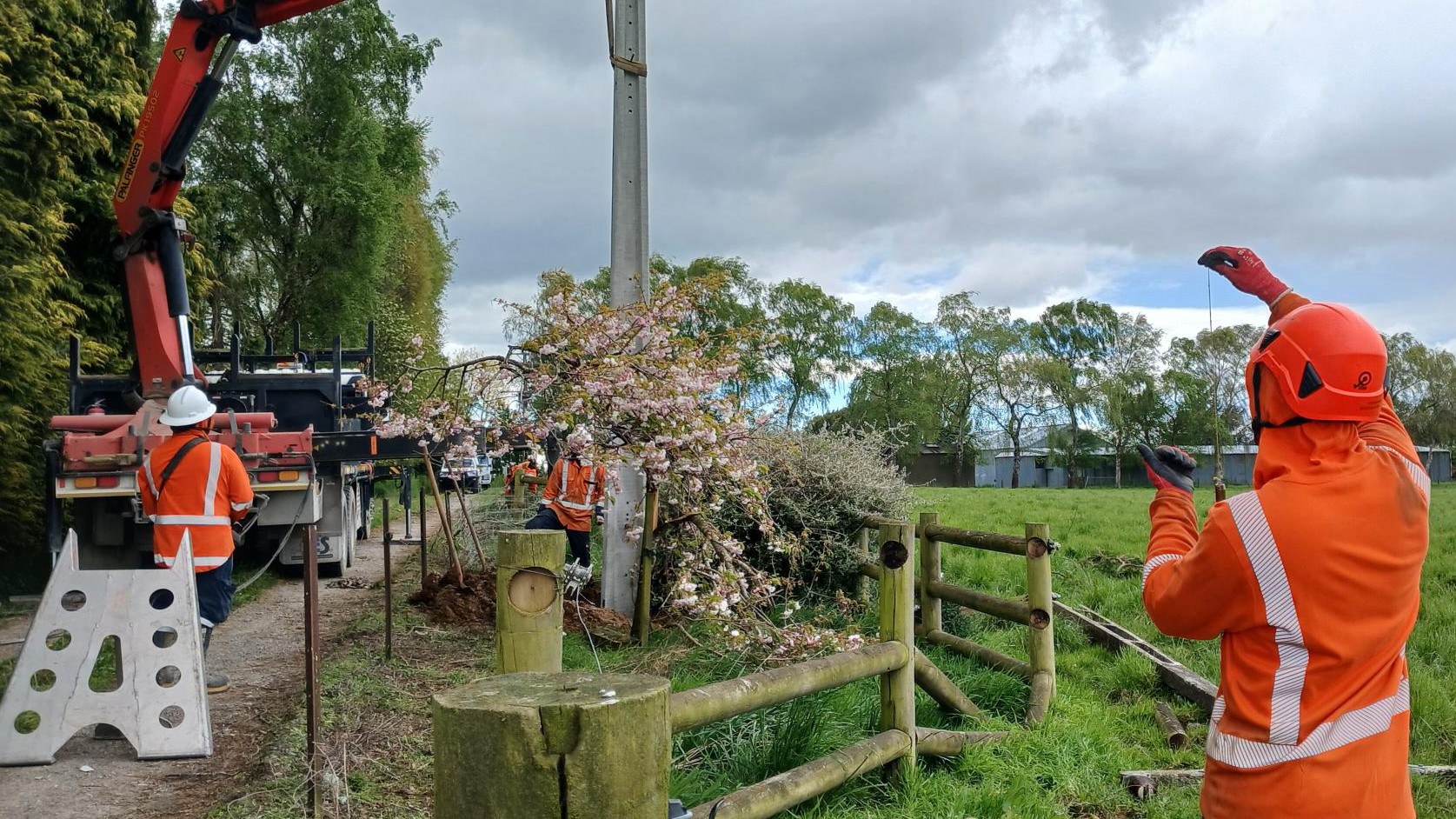
PowerNet's handling of the unprecedented windstorm that hit Southland and Otago in October strengthened its relationships with customers and communities, positioning it as a "trusted, resilient and community-centred electricity distributor," it says.
The 23 October storm became the largest outage in PowerNet's history, leaving more than 50,000 customers without electricity at peak impact.
The storm also "highlighted both strengths and system constraints" in its handling of large-scale emergency events.
The company says these lessons have led to ongoing investments in system improvements, customer communications, vegetation-risk messaging and community education and network preparedness.
It has already introduced a range of improvements to address operational issues exposed during the event, including outage mapping inaccuracies during extreme conditions, GIS data gaps, telecommunications failures, pressure on control room capacity, material access issues and reliance on manual damage assessment processes.
New measures include depot-specific storm operations playbooks, enhanced materials readiness, greater use of smart meter data, planned control room system upgrades and work with telecommunications providers to address network resilience issues in known blackspots.
It says more than 90 per cent of outages during the storm were caused by falling trees, reinforcing the importance of vegetation management as part of future network resilience planning.
Unprecedented storm
PowerNet, a finalist in this year's Energy Excellence Awards, manages the electricity networks owned by The Power Company, Electricity Invercargill, OtagoNet, and Ruakura Energy, serving more than 77,500 consumers across Southland, parts of Central Otago and the Ruakura Superhub in Hamilton.
From about midday on 23 October, wind gusts exceeding 160 kilometres per hour caused widespread damage across the Southland and Otago electricity networks managed by PowerNet.
Hundreds of poles and kilometres of lines were damaged, resulting in an estimated $7 million in restoration costs.
At the height of the event, all 35 Southland substations and 17 of 18 South Otago substations were offline. Some rural customers remained without power for more than 12 days.
PowerNet says restoration required fault assessment, network switching, contractor mobilisation, material deployment and prioritisation of critical loads across multiple regions.
The company activated its coordinated incident management system structure to coordinate technical operations, logistics, planning, welfare, and communications. It also brought in mutual aid crews from other electricity distribution businesses and deployed inspection teams ahead of repair crews to assess damage and prioritise restoration work.
No serious harm injuries occurred during the extended restoration effort despite hazardous conditions and long-duration response activities.
Communications
Communications were a significant part of the response.
PowerNet says its engagement with communities during the event was defined by "transparency, discipline, and empathy", maintaining public trust during one of the most challenging events in its history.
Between 22 October and 7 November, PowerNet published 59 Facebook updates that generated more than three million views. The company reported website traffic increased 15-fold during the restoration period.
It issued 15 media releases between 23 October and 6 November before confirming full restoration in a final update on 12 November.
Since the storm, PowerNet has moved to provide tailored pre-storm communications for farmers, rural communities, and medically dependent customers as standard practice.
It has improved its digital channel management and expanded the use of visuals and "show, don't tell" content to demonstrate damage and progress.
Chief executive-led updates and field-based communication have been formalised as a core feature of crisis engagement.
PowerNet has also strengthened its regional coordination protocols with Emergency Management and lifeline utilities.
Customer impact
The event had direct customer impacts, with about 29,400 of PowerNet's customers becoming eligible for line charge reductions because of extended outages.
PowerNet returned $202,000 to consumers through electricity retailers.
It says the lessons learned now underpin a stronger, more resilient and more customer-centred communications and engagement approach for both business-as-usual and future storm responses.
The relationships strengthened during this period - combined with the improvements now embedded into everyday practice - position it as a "trusted, resilient, and community-centred electricity distributor," PowerNet says.
The annual Energy Excellence Awards will be held in Wellington on 19 August. The Energy Distributor of the Year Award is sponsored by Axos Systems.