
AWARDS FINALIST: The Lines Company – small distributor, big community impact
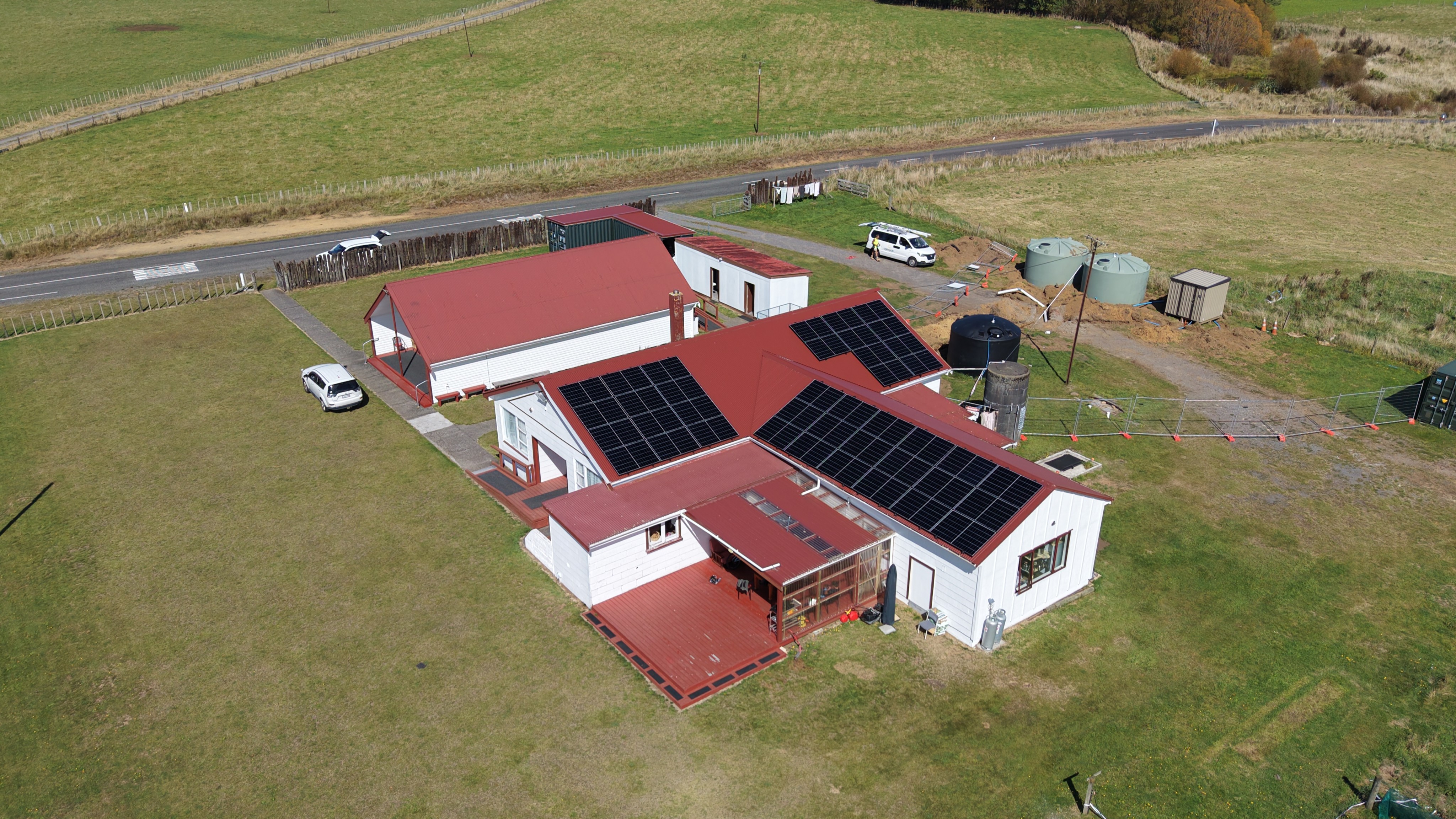
The Lines Company says it is seeking out new partnerships and technologies that can deliver material long-term benefits for its community.
It wants to be sure every dollar it spends delivers lasting value and that means controlling costs and focusing on long-term resilience over short-term gains and technical novelties.
The community-owned distributor cited as an example its use of technology to manage electric vehicle charging demand in Tūrangi, where there is limited spare line capacity.
It says it was able to defer a $10 million substation upgrade, while enabling fast EV charging and also protecting supply for about 2000 customers.
Rather than bringing forward the upgrade and imposing additional cost on users, it partnered with EV charging company Kwetta NZ to deploy a dynamic operating envelope system integrated between TLC's SCADA platform and Kwetta's Zeus Grid technology.
The system reduces charging only during rare periods of network constraint, estimated at about eight hours a year, and TLC says drivers receive full fast-charging capability for the remaining 99.99 per cent of the time.
The company says the approach increased usable network capacity without immediate infrastructure investment and provided a pathway for electrification while avoiding congestion-driven upgrades.
The Lines Company supplies about 18,000 customers across 13,700 square kilometres of the King Country, Central Plateau and Ruapehu regions. Many live in sparsely populated rural communities including some areas of high deprivation.
Much of the region is forested, and trees are responsible for about a third of network outages.
It introduced helicopter-mounted "helisaw" technology to clear vegetation in remote areas, replacing some conventional clearance methods that required crews working for weeks in difficult terrain.
Helisaw operations are now standard, and the company says large-scale proactive clearance is now possible. Costs have fallen by up to 85 per cent compared with traditional methods.
Beyond vegetation, TLC says it is investing to reroute lines away from high-risk forestry areas. It is also deploying solar-and-storage systems for isolated end-of-line customers to improve reliability and reduce long-term maintenance costs.
Alongside network projects, the company has expanded community resilience initiatives.
Working with Te Nehenehenui, TLC funded six Generation Insertion Points across the Maniapoto rohe to allow rapid connection of generator power at marae during emergencies.
The company partnered with Ruapehu District Council on solar installations for council housing and has helped install solar systems across six community hubs.
It has also partnered with Counties Energy to improve service to customers through the use of shared technology and combined purchasing power by cooperating on shared digital platforms, joint procurement, and energy hardship programmes.
The firm says it has sought to moderate customer price increases by using regulatory mechanisms to smooth revenue recovery over time.
The higher return allowed in the latest regulatory pricing period could have seen first-year price increases of up to 30 per cent for some customers, with TLC choosing to increase prices by just 10 per cent (for residential), it says.
An intergenerational equity lens is applied to balance an intergenerational equity lens affordability with future reliability, while also shielding customers from price shocks driven by regulatory volatility rather than any change in underlying service.
The annual Energy Excellence Awards will be held in Wellington on 19 August. The Energy Distributor of the Year Award is sponsored by Axos Systems.