
AWARDS FINALIST: Alpine Energy – FullyCharged
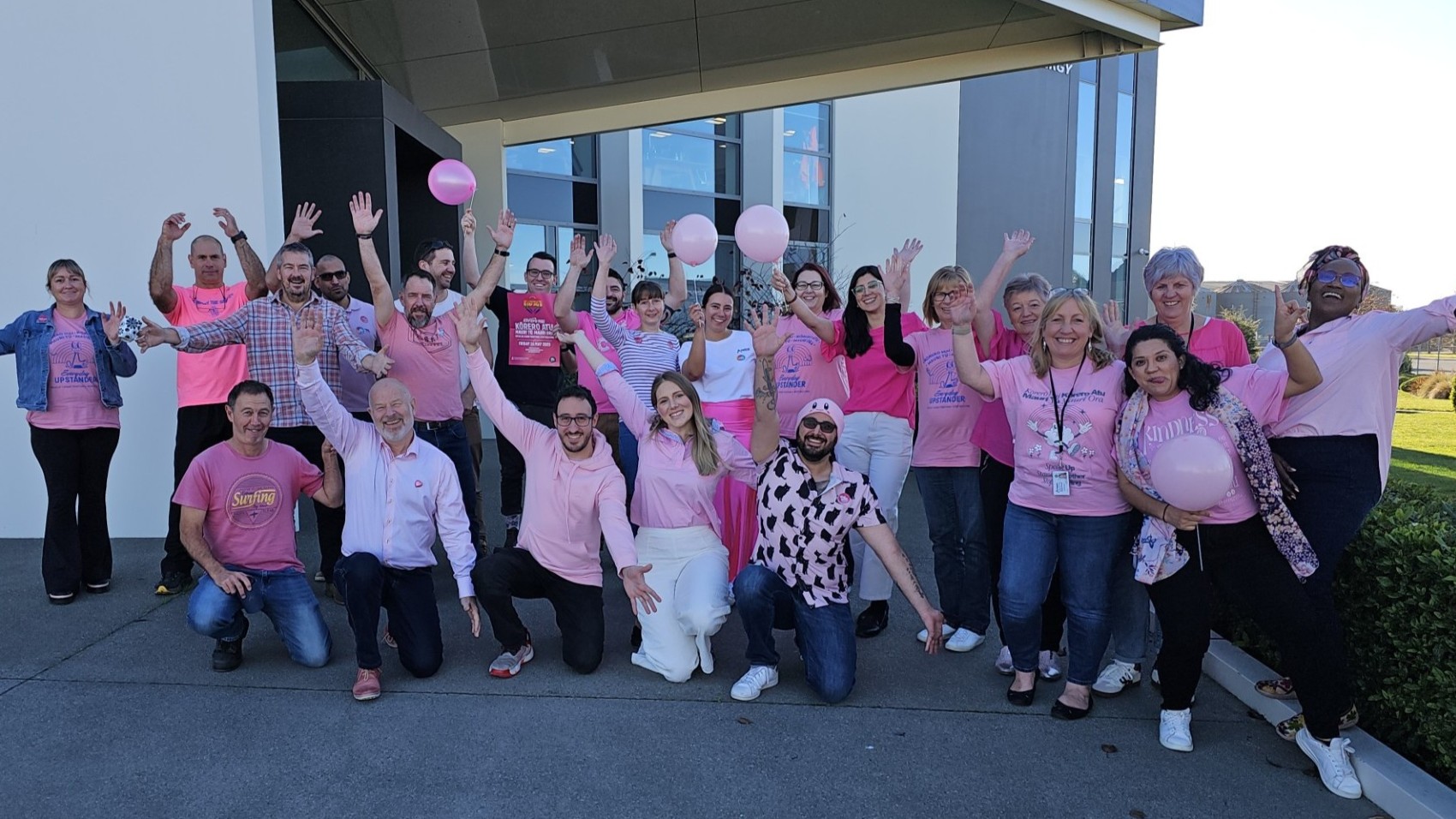
Alpine Energy's FullyCharged programme recognises that well-being is essential to safe performance in a safety-critical industry.
Its employees work in environments where physical demands, cognitive load, and psychological pressures can affect decision-making and safety performance, making well-being a safety and operational issue, Alpine says.
The electricity distributor launched its FullyCharged Well-being Programme in February 2024 after identifying concerns related to fitness for work and employee well-being through health and safety data, workforce feedback, and employee discussions.
Since embedding the programme into everyday operations, safety systems and leadership practices, Alpine says employee confidence in workplace well-being and psychological safety has increased.
Recent engagement survey results show a 12 per cent rise in staff who believe well-being is a priority and an 11 per cent increase in employees who feel able to express their true feelings at work.
Development
Alpine, a finalist in this year's Energy Excellence Awards, says there was no single issue that drove the need for action, but the cumulative picture highlighted that well-being challenges could adversely affect safety, engagement, and long‑term sustainability if not addressed in a more structured and proactive way.
FullyCharged was developed through employee consultation, including listening sessions with health and safety representatives, wellness ambassadors and union delegates.
The process identified four priority areas: education, employee benefits, physical well-being initiatives, and medical support services.
FullyCharged was built around five programme pillars: a well-being calendar, the My Every-Day Well-being platform, capability building for leaders and employee representatives, consolidation of existing wellness initiatives, and redesigned well-being benefits.
Alpine integrated the programme into its existing safety, risk management and human resources systems. The company introduced fatigue management guidelines, psychosocial escalation processes, occupational health initiatives and additional well-being education as part of the rollout.
Outcomes
The firm says one of the strongest measurable outcomes was uptake of its redesigned health insurance benefits, with 97 per cent of eligible employees enrolled in the new health insurance scheme, compared with 67 per cent under the previous arrangement.
There has also been strong uptake of the early intervention occupational health programme.
Alpine says the level of uptake signals "high perceived value" and improved trust in its well-being offerings, and alignment between employee needs and benefit design.
"It also reinforces the effectiveness of the co‑design approach taken through FullyCharged," it says.
Qualitatively, there has been a noticeable shift in how well-being is talked about and prioritised across the business since FullyCharged was implemented, Alpine says.
Well-being check‑ins - not previously standard practice - are now commonly integrated into team meetings, and staff are more comfortable raising concerns early, with leaders reporting greater confidence in discussing well-being.
Team check‑ins identify fatigue or stress early, allowing workloads to be adjusted before issues escalate. Staff engage with the wellness ambassadors to develop personalised well-being plans, supporting proactive rather than reactive management.
Employees are also accessing more support services following the introduction of clearer psychosocial escalation pathways and Alpine's refreshed employee assistance programme and occupational health arrangements.
Alpine has continued to expand the programme.
Last year, it introduced a new employee-assistance programme provider, adopted a single occupational health provider and launched initiatives including "Money Month", focused on financial well-being.
A psychosocial critical-risk review undertaken last year identified 12 new controls, which have been approved and are being incorporated into the business' processes.
Alpine has also increased investment in well-being, including creating a dedicated "well-being lead" position to oversee the programme's ongoing development.
The company, which operates the electricity distribution network across South Canterbury and serves around 34,500 customers, says FullyCharged is intended to remain a long-term programme supporting workforce resilience, safety performance, and organisational capability.
The annual Energy Excellence Awards will be held in Wellington on 19 August. The Well-being Award is sponsored by Ergo Consulting.