
AWARDS FINALIST: Alliance Group and Active Refrigeration – Alliance high temperature heat pump projects
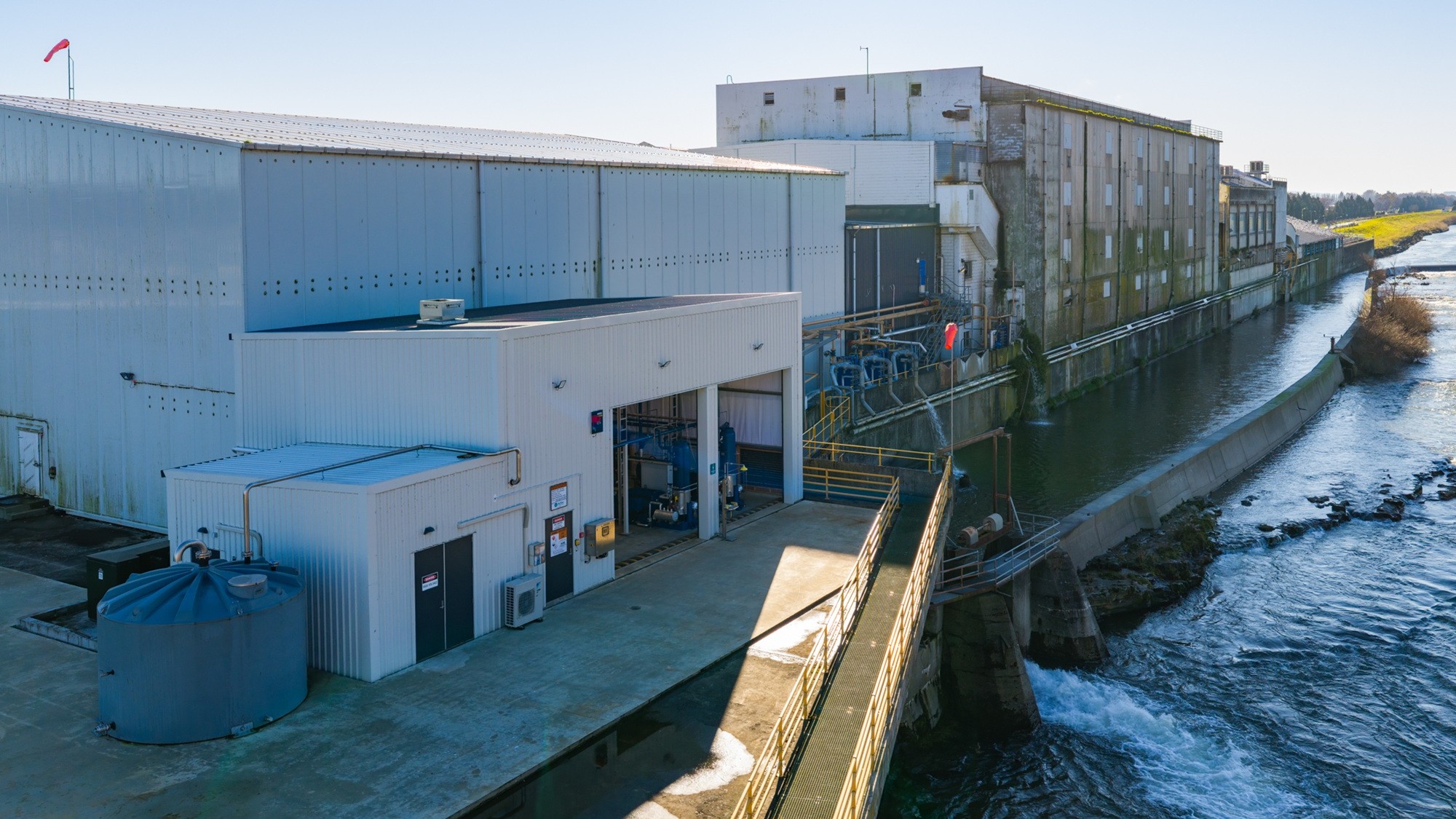
Alliance Group and Active Refrigeration have installed more than 11 megawatts of high-temperature heat pump capacity across three meat processing plants, reducing emissions by about 25,000 tonnes of carbon equivalent a year.
Completed between 2021 and 2025, the programme replaced much of the process heat previously supplied by ageing coal-fired boilers at Pukeuri, Lorneville and Mataura.
The installations use low-grade waste heat from existing ammonia refrigeration systems and water-sourced heat pumps to supply hot water at up to 80 degrees Celsius for processing.
Active Refrigeration says integrating the heat pump systems into operating ammonia refrigeration plants was a key technical challenge.
The staged work was carried out while maintaining production and required refrigeration, water and electrical infrastructure upgrades.
Electrical upgrades included new motor control centres, variable speed drives and protection systems, with new buildings at Pukeuri and Mataura to house heat pump equipment.
Alliance Group also upgraded onsite electrical and potable water systems.
Innovation
The programme cost about $16 million and received $5.6 million in funding from the Energy Efficiency and Conservation Authority.
This achieved effective efficiencies of more than 500 per cent, cutting fuel use and exposure to volatile fossil fuel and carbon prices.
Mataura uses a water-to-water heat pump drawing on river water, while Pukeuri uses dam water as a supplementary heat source, increasing heat pump capacity beyond refrigeration heat recovery alone.
Emissions reductions of up to 24,680 tonnes were verified using structured measurement and verification methods aligned with International Performance Measurement and Verification Protocol principles where applicable. Mataura verification remains under way because its 12-month post-commissioning reporting period is not complete.
The programme also responds to the challenging operating environment facing New Zealand's industrial sector.
Volatile fuel costs, first driven by natural gas markets and more recently by diesel price increases, have pressured energy-intensive operations, with some site closures citing energy costs as a contributing factor.
Against this backdrop, the Alliance heat pump portfolio shows a clear, practical way to improve industrial competitiveness by reducing exposure to fossil fuel markets.
A wider benefit is the shift from imported fossil fuels to locally generated renewable electricity reduces exposure to supply disruption.
The transition strengthens national energy security, keeps more energy spending in New Zealand and supports efficient use of current and future renewable electricity generation.
The annual Energy Excellence Awards will be held in Wellington today. The Low Carbon Future Award is sponsored by TechnologyOne.